Traditional food
Exotic Colombian Fruits to Cook and Drink as Juice
Gulupa, chontaduro, lulo, uchuva, and other little-known Colombian fruits — what they are, what they taste like, and how they're eaten or juiced.
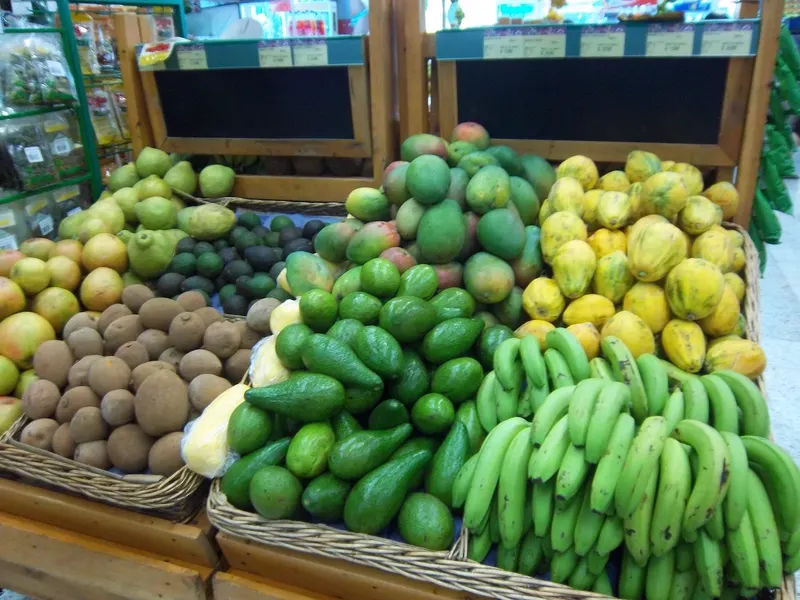
Colombia is one of the most biodiverse countries on the planet, and that abundance shows up at the market fruit stand too: alongside the mango and pineapple sit fruits that are barely known outside the country, some sweet, some tart, and at least one that isn't even eaten raw. Knowing them helps you get more out of a Colombian market and understand where so many juices with no direct translation into other languages come from.
Gulupa: the purple passion fruit
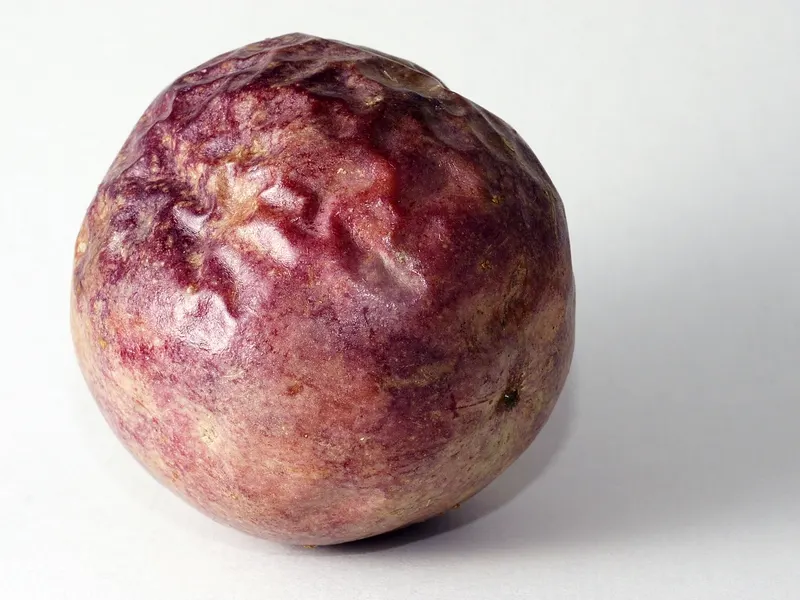
Gulupa (Passiflora edulis) is a close cousin of passion fruit, but with an intensely purple skin instead of yellow, and a pulp that's more aromatic and less tart. It's grown mostly in cool, high-altitude areas, unlike passion fruit, which prefers warm climates. It's drunk as juice, used in desserts and mousses, and increasingly exported fresh to Europe as a gourmet fruit.
Chontaduro: the fruit that's eaten cooked, not raw
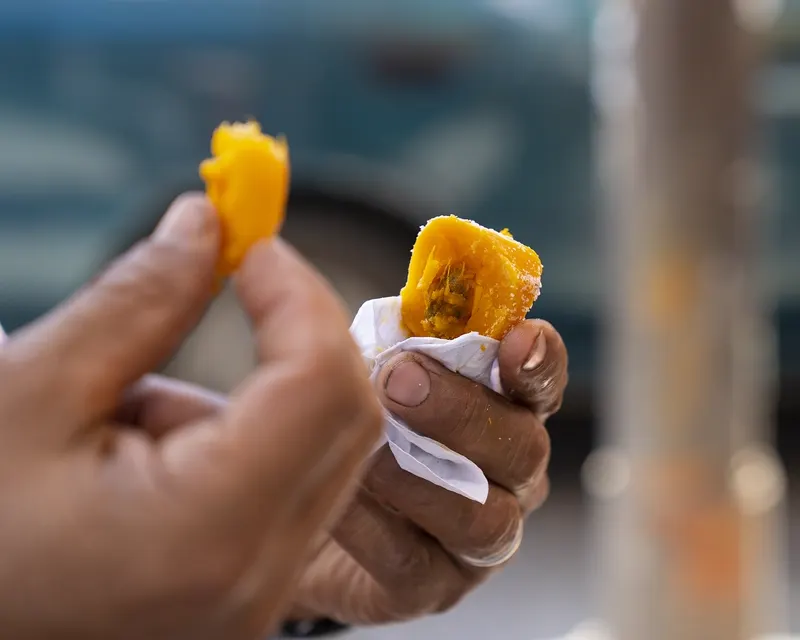
Chontaduro is the fruit of a palm tree (Bactris gasipaes), with orange skin and a starchy texture similar to a chestnut, that is never eaten raw — it's always boiled or steamed before eating, usually with salt or honey. It's a traditional food of Colombia's Pacific region, very popular as street food in Cali, where it's sold cooked, in pieces, with salt or panela honey.
Lulo: the tart fruit behind Colombia's juices
Lulo, with its yellow-green skin and tart pulp full of small seeds, is probably the fruit used as a base for more Colombian juices than any other, almost always blended with water or milk and strained to remove the seeds. Its flavor, somewhere between tart and lightly sweet, is hard to compare to any other fruit — many visitors describe it as a cross between kiwi, rhubarb, and lime.
Uchuva: small, golden, with a natural husk
Uchuva (golden berry / cape gooseberry) is a small fruit, about the size of a cherry, golden in color and with a flavor somewhere between sweet and tart, that grows wrapped in its own natural "husk" (a dried calyx that looks like paper). It's eaten on its own as fresh fruit, used in desserts and jams, and Colombia is one of the world's leading exporters of this fruit, highly valued in fine pastry for its color and decorative shape.
Pitahaya and borojó
Colombia's yellow pitahaya (different from the more internationally known red pitahaya, or "dragon fruit") has a skin with small, soft spines and a very sweet white pulp, eaten with a spoon. Borojó, meanwhile, is a fruit with dark pulp and an intense flavor, typical of the Pacific region, almost always consumed as juice or a smoothie, with a popular reputation as an energizer — a reputation that's more part of the folklore around the fruit than a proven medical fact.
How Colombian juices are served
Some of these fruits also make their way into the dessert table: gulupa and lulo, for example, show up in mousses and sauces alongside some Colombian desserts, using their acidity to balance out the sweetness.
Where to find them
The easiest way to try several of these fruits at once is at a market — Bogotá's Plaza de Paloquemao, Cali's Placita, or Cartagena's Bazurto market are well-known examples — where fruit stands usually carry, alongside the common fruits, several of these harder-to-find options, even out of season and beyond what a regular supermarket stocks.
Frequently asked questions
Are gulupa and passion fruit the same fruit?
They're close relatives of the same family (Passiflora), but gulupa has purple skin, is less tart, and grows in cool climates, while passion fruit is yellow, more tart, and grown in warm climates.
Can chontaduro be eaten raw?
No. Chontaduro is always cooked, usually boiled, before eating — raw, its texture and flavor aren't something people actually eat.
Why does lulo taste so different from other fruits?
Because it combines marked acidity with a distinctive aroma that has no direct equivalent outside the Andean region — it's commonly described as a mix of kiwi, rhubarb, and citrus.
Is uchuva eaten with its husk on?
No, only the golden fruit inside is eaten; the dry husk wrapped around it is decorative and protective, not edible, though it's sometimes left on for presentation in desserts.
Where is it easiest to find these fruits in Colombia?
In the traditional produce markets of the big cities, where there's usually more variety and freshness than in a regular supermarket, especially for less common fruits like borojó or chontaduro.
Keep cooking
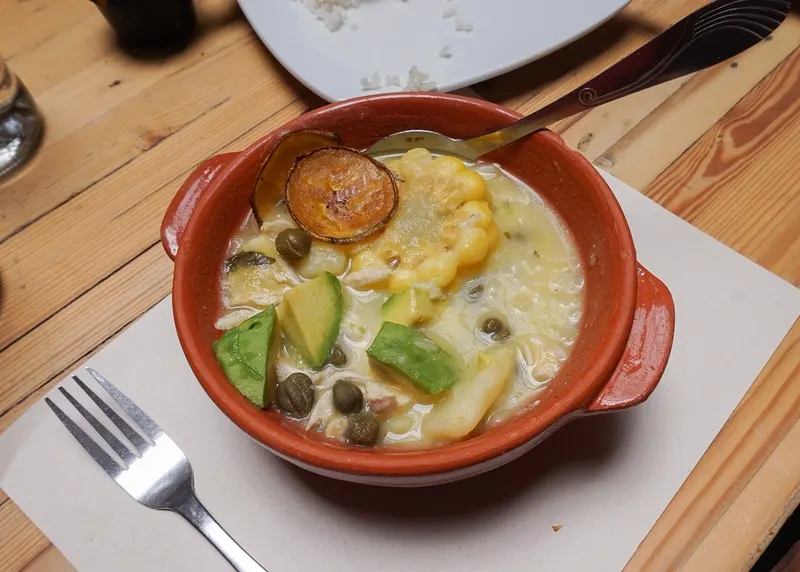 Traditional foodAjiaco Santafereño: Bogotá's Traditional RecipeHow authentic ajiaco santafereño is made — the three potatoes, the guasca herb, the chicken, and the side dishes — and why every ingredient matters.
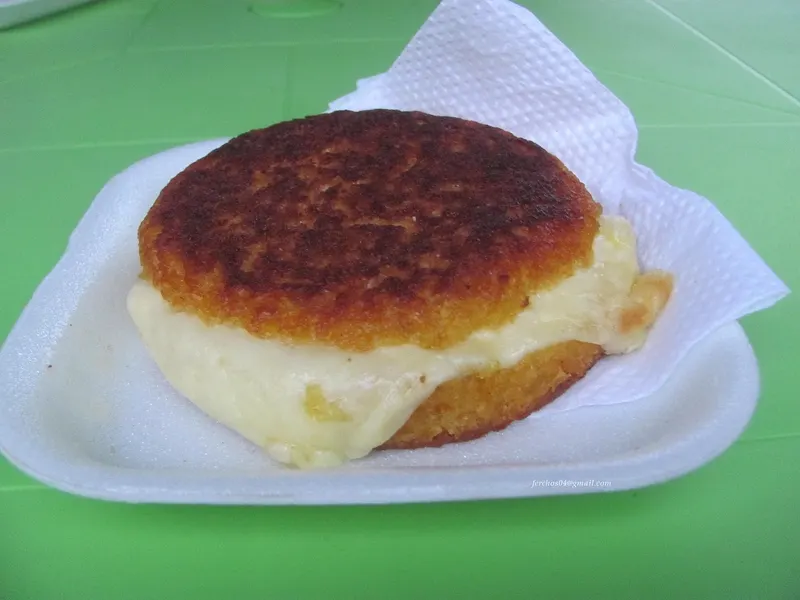 Traditional foodColombian Arepas: Types, Differences, and How to Make ThemA guide to the most common Colombian arepas — cheese, chócolo, boyacense, paisa — and how to make them at home without them cracking or sticking.
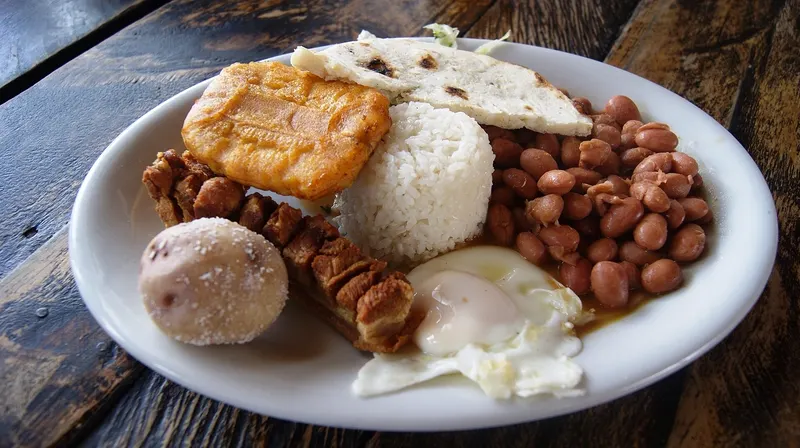 Traditional foodBandeja Paisa: The Complete Guide to Colombia's Most Famous PlateWhat goes into an authentic Colombian bandeja paisa, how each component is prepared, and the most common mistakes people make cooking it at home.