Traditional food
Colombian Arepas: Types, Differences, and How to Make Them
A guide to the most common Colombian arepas — cheese, chócolo, boyacense, paisa — and how to make them at home without them cracking or sticking.
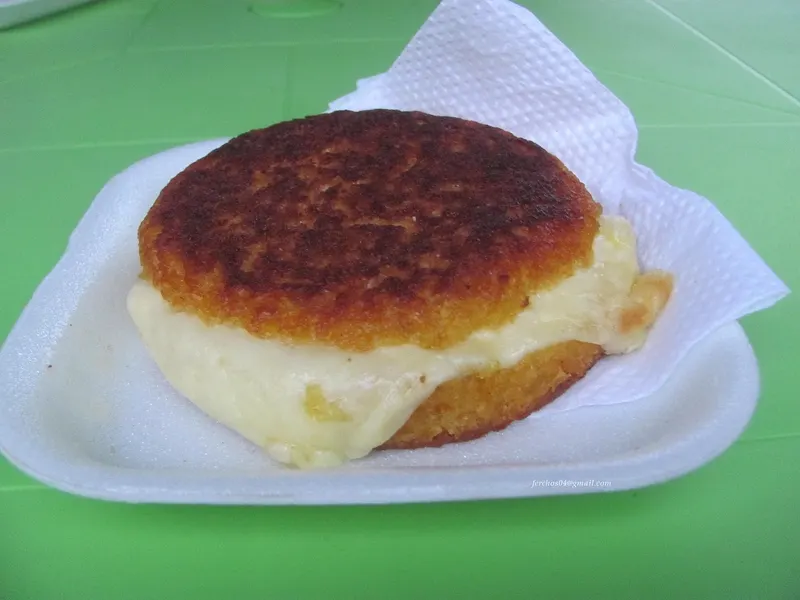
In Colombia there's no such thing as "the" arepa: every region has its own, and mixing them up is a classic giveaway of someone new to the country. They all start from corn dough, but the type of corn, the thickness, whether they're filled, and how they're cooked all change from one to the next.
The most common types
Cheese arepa
The best known outside Colombia: white corn dough mixed with costeño cheese or grated cheese, on the thick side, grilled or fried until golden on the outside while the cheese melts inside. It's eaten on its own, like bread, or alongside any meal.
Chócolo arepa (sweet corn)
Made with ground tender corn (chócolo), not dried corn — which is why it comes out sweet, with a moister texture than the white arepa. It's a breakfast staple, sometimes topped with cheese or butter.
Boyacense arepa
Smaller and sweeter than the others, with panela or sugar worked into the dough; usually served with cheese and hot chocolate, a breakfast classic in Boyacá and the high plains around Bogotá.
Paisa arepa
Thin, white, with no salt and no filling — it's used as bread to go alongside the rest of the plate, closely associated with bandeja paisa.
Egg arepa
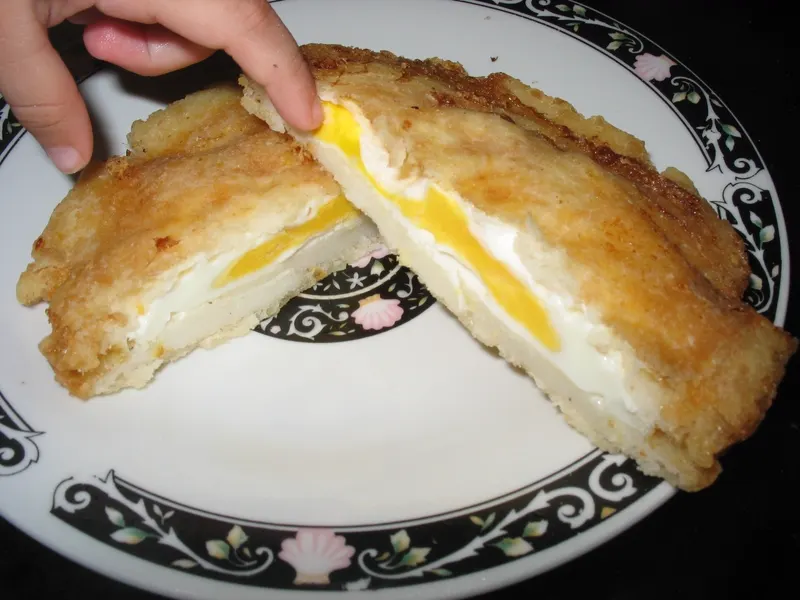
A classic of the Caribbean coast: the corn dough is fried first until it puffs up, a slit is cut into it, a raw egg is poured inside, and it's fried again until the egg sets. It's sold as street food in Cartagena and Barranquilla.
How to keep them from cracking or sticking
Frequently asked questions
Are all Colombian arepas made with the same corn?
No. The white arepa (cheese, paisa) uses milled dried white corn or precooked corn flour; the chócolo arepa uses freshly ground tender corn, which gives it a distinct flavor and texture.
Which arepa is easiest to make at home?
The cheese arepa made with precooked corn flour: mix the flour with water, salt, and grated cheese, shape the disc, and grill it in a pan — no hard-to-find ingredients required.
Can egg arepa be made without frying it twice?
Not really — the second fry is what cooks the egg through without burning the dough on the outside. It's a dish that's cooked fried; there's no baked version that gives the same result.
Keep cooking
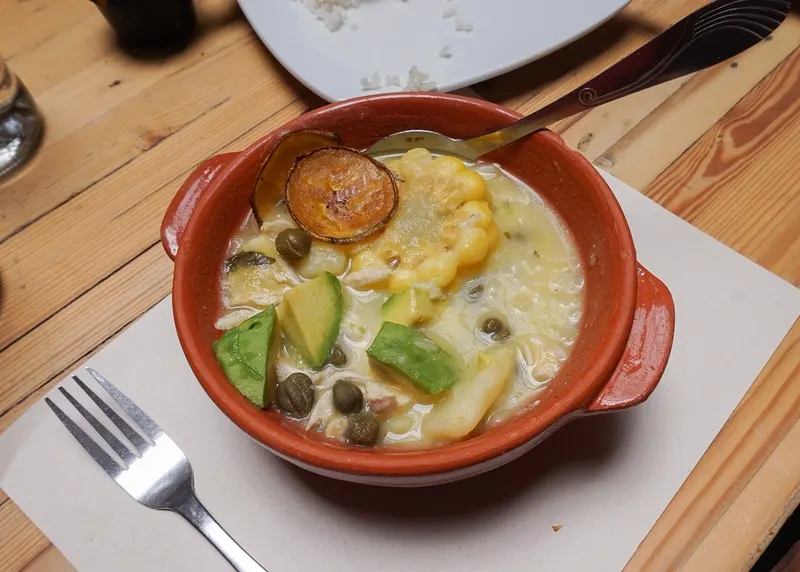 Traditional foodAjiaco Santafereño: Bogotá's Traditional RecipeHow authentic ajiaco santafereño is made — the three potatoes, the guasca herb, the chicken, and the side dishes — and why every ingredient matters.
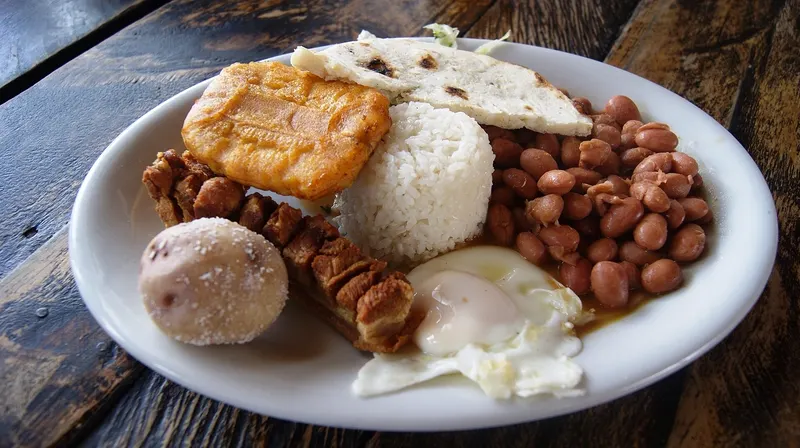 Traditional foodBandeja Paisa: The Complete Guide to Colombia's Most Famous PlateWhat goes into an authentic Colombian bandeja paisa, how each component is prepared, and the most common mistakes people make cooking it at home.
 DrinksColombian Coffee: How to Brew It Well at HomeHow to brew Colombian coffee at home without ruining it — the right grind for each method, water ratio, temperature, and the most common mistakes.