Traditional food
Bandeja Paisa: The Complete Guide to Colombia's Most Famous Plate
What goes into an authentic Colombian bandeja paisa, how each component is prepared, and the most common mistakes people make cooking it at home.
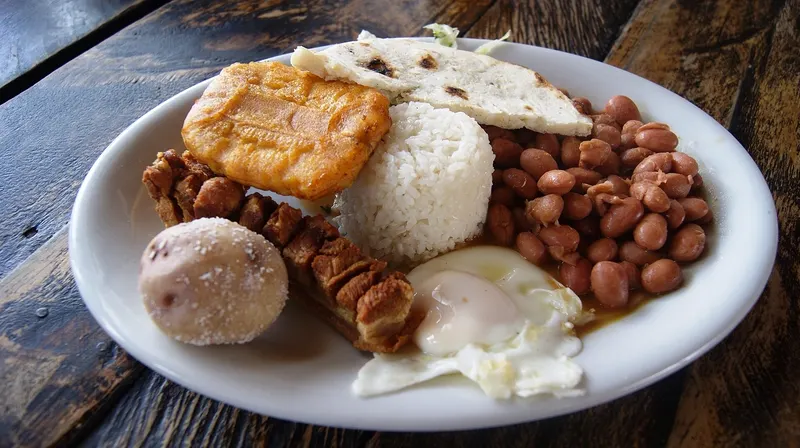
Bandeja paisa is probably the best-known Colombian dish outside the country, and also the most misunderstood: it isn't "one recipe," but a set of independent preparations served together on a single large plate. It was born in Antioquia as working food — calorie-dense, filling, meant to fuel a long day in the fields.
The beans: the foundation of the plate
Cargamanto beans (large, red) are simmered slowly with chunks of green plantain, a bit of pork (rib or bacon), and color, until they turn thick and deeply flavored. This is the part that takes the longest and the one that decides whether a bandeja paisa is well made: watery or under-seasoned beans ruin the whole plate even if everything else is perfect.
The pork crackling
The crackling on a bandeja paisa is cut into larger pieces than everyday chicharrón, with a visible layer of fat and skin that's fried until fully crisp. It's fried slowly first to render out the fat, then at higher heat to brown and crisp the skin.
The meat
The traditional meat on the plate is coarsely ground or shredded beef, sautéed with onion, tomato, garlic, and color — known in Antioquia as "carne en polvo" ("powdered meat"), though the name is a bit misleading: it isn't dehydrated meat, it's beef sautéed until dry and loose.
How the plate is assembled
The order matters for presentation: rice and beans go down as the base, the meat and crackling sit in the center, the fried egg goes on top or beside them, the plantain slices and avocado sit around the edges, and the arepa goes off to the side, usually resting on the rim of the plate or served on its own small plate.
Frequently asked questions
Does bandeja paisa always include chorizo?
Not necessarily. Chorizo and blood sausage are common additions in restaurants, but the most traditional, home-style version centers on beans, rice, meat, pork crackling, egg, plantain, arepa, and avocado.
Why is it called "paisa"?
After the paisa region (Antioquia, Caldas, Risaralda, and Quindío), where it originated as working food for day laborers and mule drivers.
Can you make a lighter version?
Yes, by cutting back the portions of meat and crackling and adding more salad or avocado, though it stops being the traditional version of the dish.
How long does it take to prepare a full bandeja paisa?
Between 2 and 3 hours if you count the beans from scratch (which need to soak beforehand). With beans already cooked, the rest of the plate comes together in under an hour.
Keep cooking
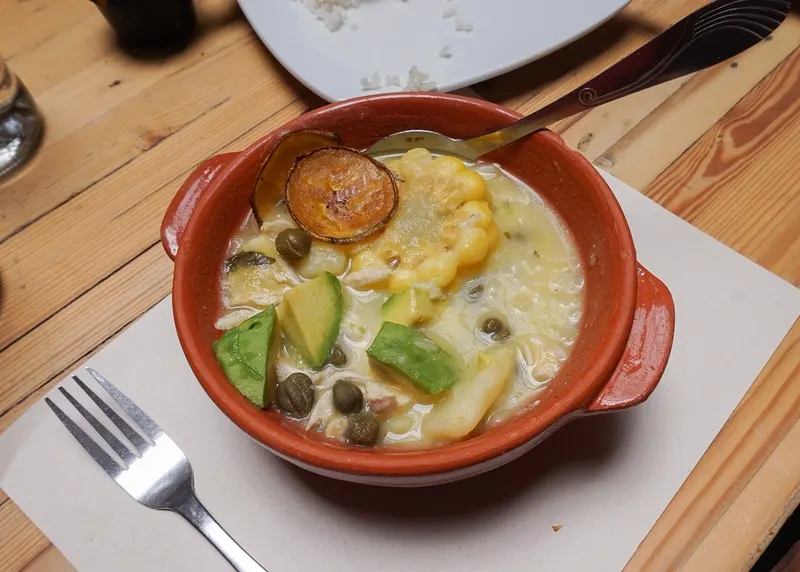 Traditional foodAjiaco Santafereño: Bogotá's Traditional RecipeHow authentic ajiaco santafereño is made — the three potatoes, the guasca herb, the chicken, and the side dishes — and why every ingredient matters.
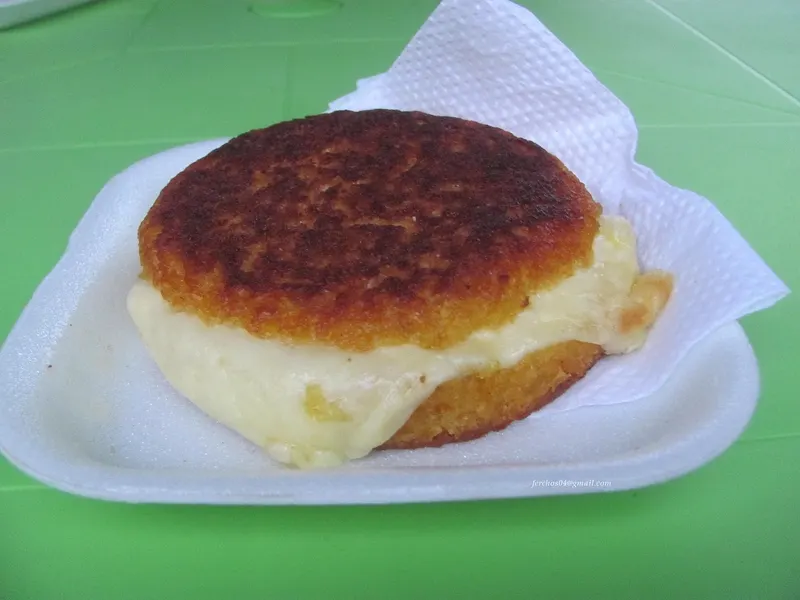 Traditional foodColombian Arepas: Types, Differences, and How to Make ThemA guide to the most common Colombian arepas — cheese, chócolo, boyacense, paisa — and how to make them at home without them cracking or sticking.
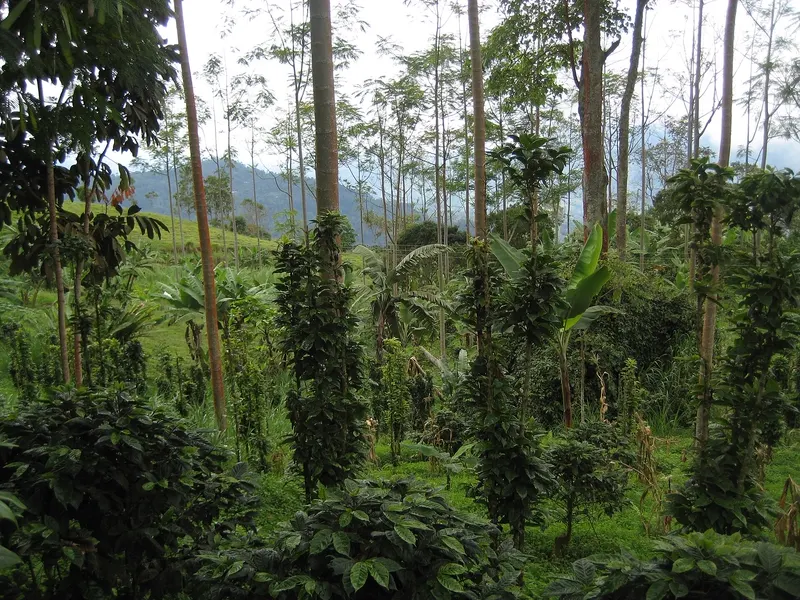 DrinksColombian Coffee: How to Brew It Well at HomeHow to brew Colombian coffee at home without ruining it — the right grind for each method, water ratio, temperature, and the most common mistakes.