Desserts
Colombian Desserts: A Guide by Region and Occasion
Manjar blanco, buñuelos, natilla, and more — the most traditional Colombian desserts, what sets each one apart, and when people actually eat them.
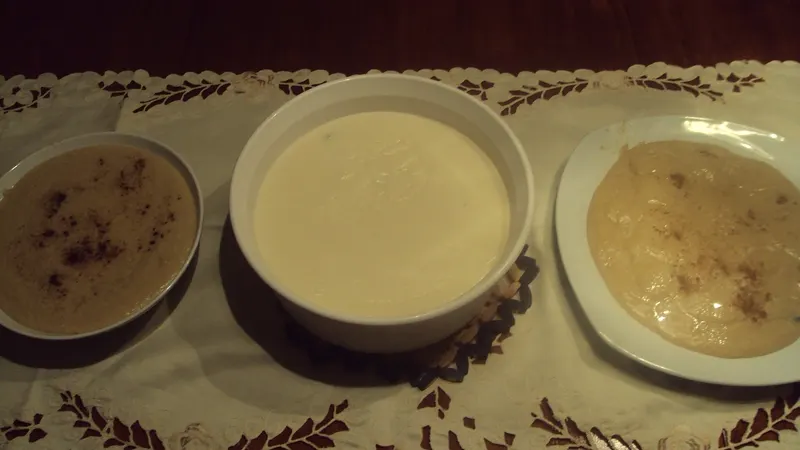
In practice, Colombian desserts fall into two groups: everyday ones (arequipe, manjar blanco, cocadas) and seasonal ones, mostly tied to December (buñuelos, natilla). Knowing that difference helps explain why some are only found at certain times of year.
Manjar blanco and arequipe: not the same thing
Although people mix them up, traditional manjar blanco from the Andean region is usually made with whole milk simmered slowly until it thickens, sometimes with rice or corn starch as a thickener, while arequipe relies on caramelizing the sugar in the milk alone, with no added thickener. The result looks similar at first glance, but the texture and method differ.
Natilla and buñuelos: December's pair
Natilla (made from corn, milk, panela, cinnamon, and clove) and buñuelos (fried balls of grated costeño cheese, cassava starch, and egg) are made almost exclusively during the Christmas season, traditionally on December 24th. Along with the alumbrados (Christmas lights) and the novenas, they're some of the most recognizable symbols of a Colombian Christmas.
Cocadas: the coast's dessert
Cocadas are made by cooking fresh grated coconut with panela or sugar until the mixture firms up into little balls or bars. They're a very common street dessert in Cartagena and, more broadly, across the Caribbean and Pacific coasts, where coconut is an everyday ingredient.
Frequently asked questions
What's the difference between manjar blanco and arequipe?
Arequipe is made by caramelizing the sugar in milk alone; traditional manjar blanco usually includes an added thickener (like starch), which gives it a different texture even though the flavor is similar.
Why is natilla only eaten in December?
It's a tradition tied to Colombian Christmas Eve, along with buñuelos; although it can technically be made any time of year, consumption is almost entirely concentrated in December out of family custom.
Does the buñuelo dough contain sugar?
No, buñuelo dough is savory (cheese, cassava starch, egg); the sweetness on the Christmas table comes from the natilla that goes with them, not from the buñuelo itself.
Are cocadas made with fresh or dried coconut?
With freshly grated coconut whenever possible — it gives a better texture and flavor than dried coconut, though some home recipes use dried coconut when fresh isn't available.
Keep cooking
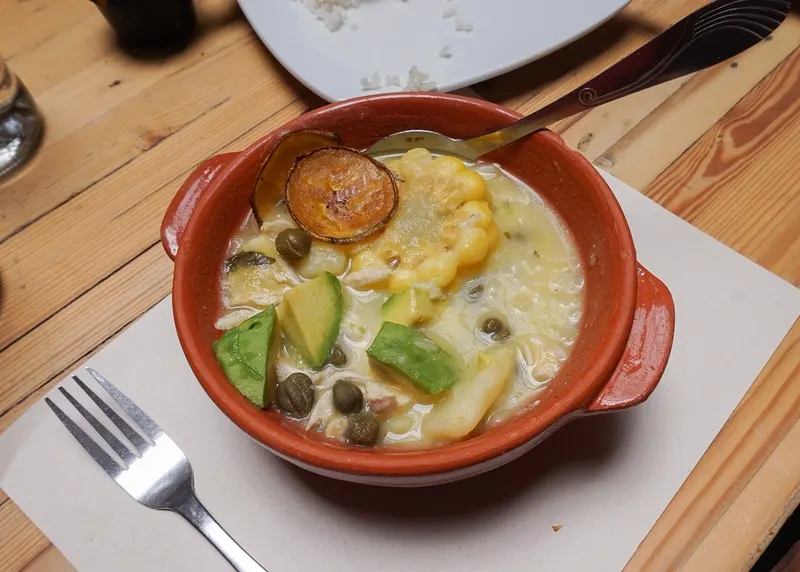 Traditional foodAjiaco Santafereño: Bogotá's Traditional RecipeHow authentic ajiaco santafereño is made — the three potatoes, the guasca herb, the chicken, and the side dishes — and why every ingredient matters.
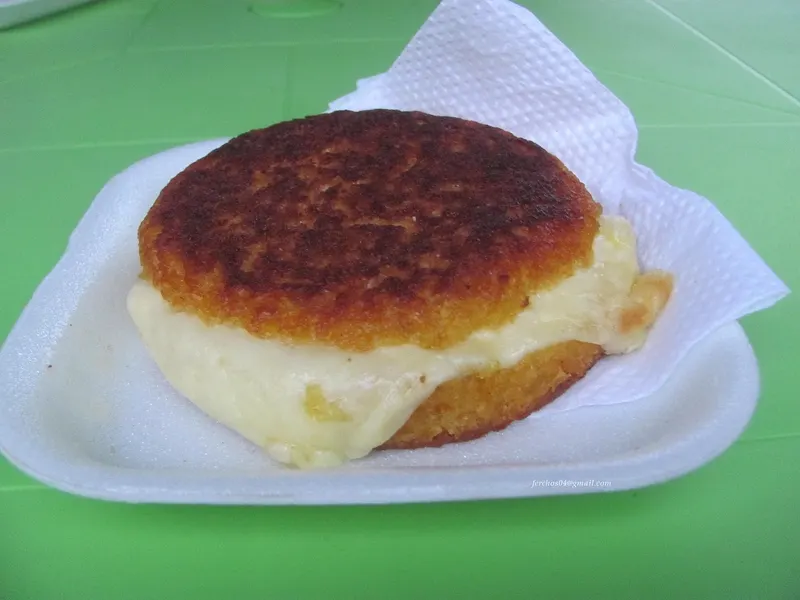 Traditional foodColombian Arepas: Types, Differences, and How to Make ThemA guide to the most common Colombian arepas — cheese, chócolo, boyacense, paisa — and how to make them at home without them cracking or sticking.
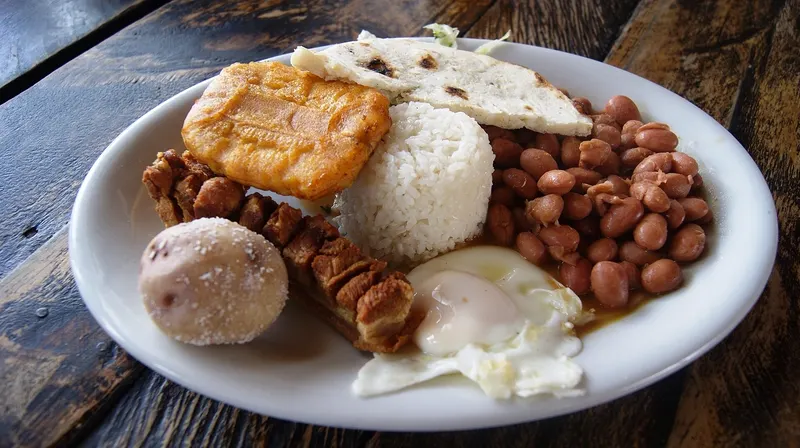 Traditional foodBandeja Paisa: The Complete Guide to Colombia's Most Famous PlateWhat goes into an authentic Colombian bandeja paisa, how each component is prepared, and the most common mistakes people make cooking it at home.