Traditional food
Colombian Breakfasts: What's Eaten in Each Region
There's no single Colombian breakfast — changua in Bogotá, calentado in Antioquia, cuchuco in Boyacá, and egg arepa on the coast. A guide by region.
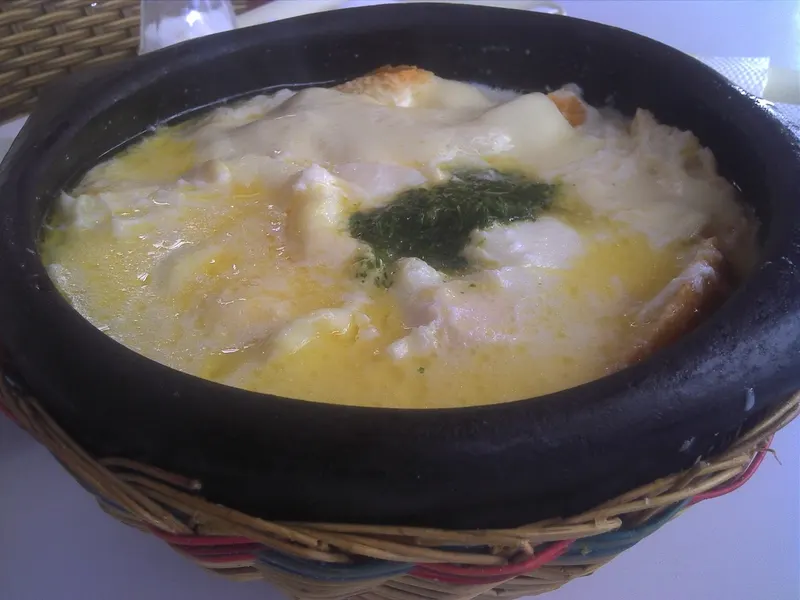
There's no such thing as "the" Colombian breakfast — there are Colombian breakfasts, plural, and they change so much from one region to another that someone from Bogotá and someone from Cartagena can eat completely different things for breakfast without either being "the" correct version. What does repeat across almost the whole country is the underlying logic: something hot, almost always involving corn or potato, and coffee.
Bogotá and the savanna: changua
Changua is a light broth of water, milk, scallion, and cilantro, in which a whole egg is poached just before serving, almost always accompanied by bread (calado, meaning soaked in the broth) or arepa. It's the classic breakfast of Bogotá's cold savanna and the high plains around it, meant to warm you up rather than fill you up.
Antioquia and the coffee region: calentado paisa
Calentado paisa makes use of the rice and beans left over from the day before, reheated together in a pan (sometimes topped with a fried egg or chorizo), and served with arepa on the side. It's literally a "reheated leftovers" dish elevated into a traditional breakfast — a practical way of not wasting food that ended up becoming an institution of the Antioquian table.
Boyacá: wheat or barley cuchuco
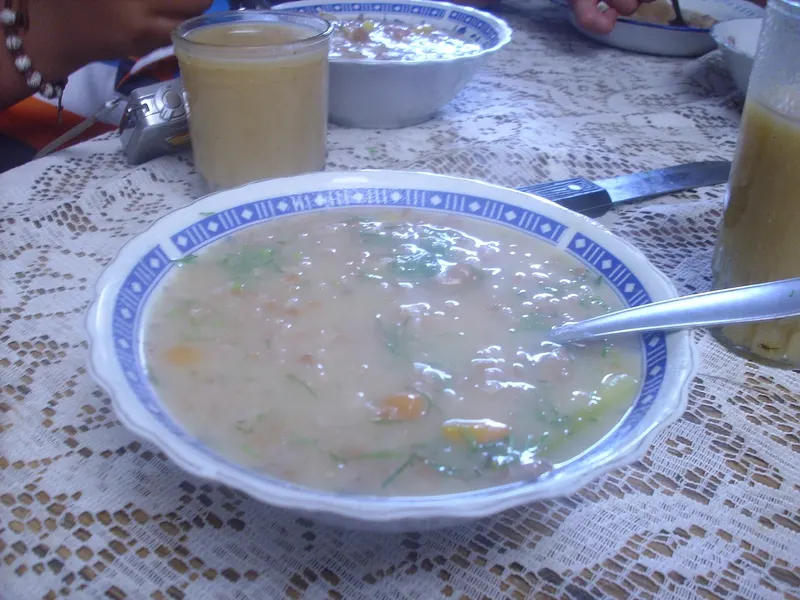
In Boyacá, a department with a cold climate and a farming tradition built around wheat and barley, the typical breakfast is cuchuco: a thick soup made from hulled, cracked wheat or barley cooked together with potato and pork spine or rib, until it becomes a thick broth similar in spirit to a savory porridge. It's a breakfast built for cold mountain weather, much heartier than Bogotá's changua.
The Caribbean coast: egg arepa and suero
On the Caribbean coast, breakfast leans more toward fried and fresh: egg arepa (corn dough fried twice with an egg set inside, as explained in the Colombian arepas guide) is a breakfast or mid-morning classic, often paired with suero costeño (a salty, fermented cream) spread over arepa or bollo.
Corn on the street: roasted corn on the cob
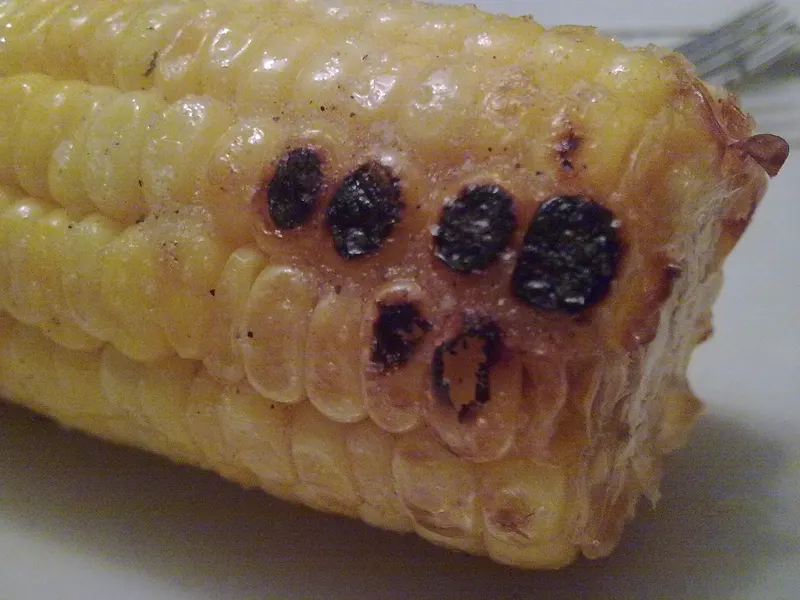
Although it isn't strictly a breakfast food, corn on the cob roasted over charcoal, spread with butter and sometimes topped with grated cheese, is a very common mid-morning craving at street stalls in several regions, especially in temperate climates where corn is grown locally. It's sold whole, held by its own husk, to eat while walking.
The weekend breakfast: tamale
In Valle del Cauca and part of the coffee region, the vallecaucano tamale takes the place of the special Saturday or Sunday breakfast, paired with hot chocolate or coffee — a much heartier breakfast than any other day of the week, meant for a day with nowhere to rush off to.
Coffee, the one thing in common
Why there's so much regional difference
The explanation has more to do with climate and what's grown in each area than with simple cultural preference: in cold country like Boyacá and Bogotá, hot soup and wheat or barley dominate; in the temperate climate of the coffee region, leftover rice and beans get repurposed into calentado; and on the warm coast, quick frying (arepa, egg) wins out over any broth. At bottom, every Colombian breakfast responds to what the region's climate and land provide best.
Frequently asked questions
What's the best-known Colombian breakfast outside the country?
Probably the arepa (in its various forms) and calentado paisa, thanks to their presence in Colombian restaurants abroad, although within Colombia every region has its own breakfast that's just as deeply rooted.
What is calentado paisa?
It's rice and beans from the day before, reheated together in a pan, served with arepa on the side and sometimes topped with a fried egg or chorizo. It's the typical breakfast of Antioquia and the coffee region.
Can changua be made without egg?
Technically it can be left out, but the poached egg in the broth is a central part of the traditional recipe — without it, it's really more of an onion-and-cilantro broth than a complete changua.
Why do people in Boyacá eat soup for breakfast instead of something fried like on the coast?
Because of the climate: Boyacá is a cold mountain region, where a hot, thick broth like cuchuco does the job of a breakfast better than something fried, while in warm climates, a quick fry is more practical and appealing.
Is tamale eaten for breakfast all over Colombia?
No, it's mainly a custom of Valle del Cauca and part of the coffee region, generally reserved for the weekend rather than as an everyday weekday breakfast.
Keep cooking
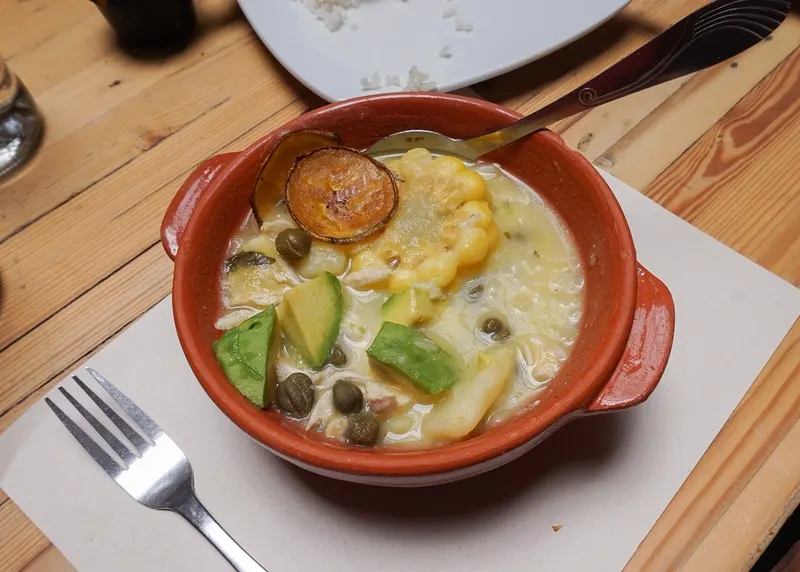 Traditional foodAjiaco Santafereño: Bogotá's Traditional RecipeHow authentic ajiaco santafereño is made — the three potatoes, the guasca herb, the chicken, and the side dishes — and why every ingredient matters.
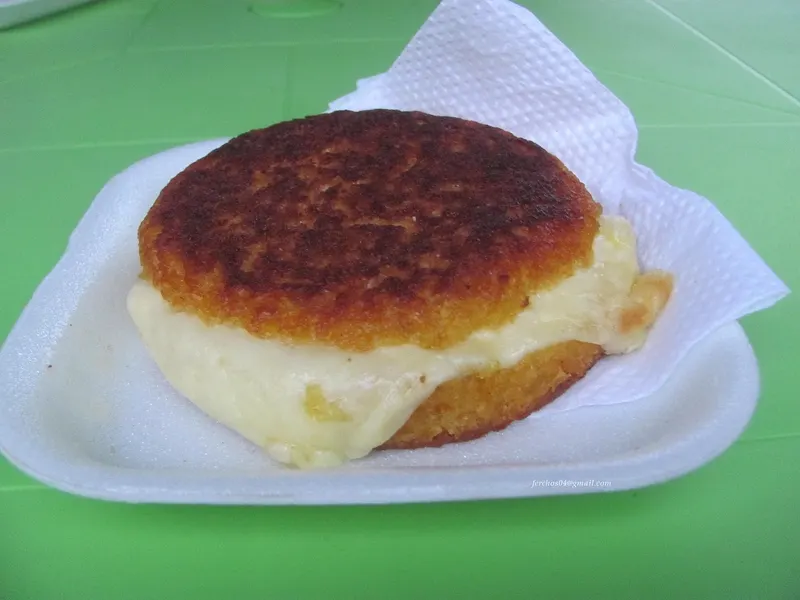 Traditional foodColombian Arepas: Types, Differences, and How to Make ThemA guide to the most common Colombian arepas — cheese, chócolo, boyacense, paisa — and how to make them at home without them cracking or sticking.
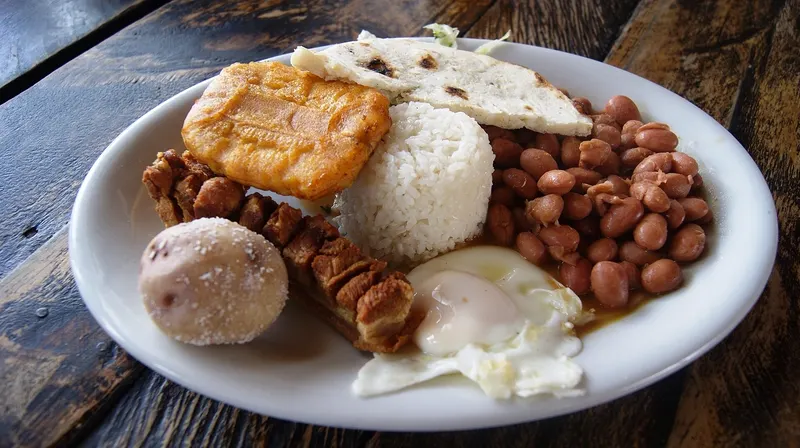 Traditional foodBandeja Paisa: The Complete Guide to Colombia's Most Famous PlateWhat goes into an authentic Colombian bandeja paisa, how each component is prepared, and the most common mistakes people make cooking it at home.