Traditional food
Fish and Coconut: The Cooking of Colombia's Caribbean Coast
How fish is cooked on Colombia's Caribbean coast — fried whole, stewed in coconut milk — and why coconut rice is almost always the side dish.
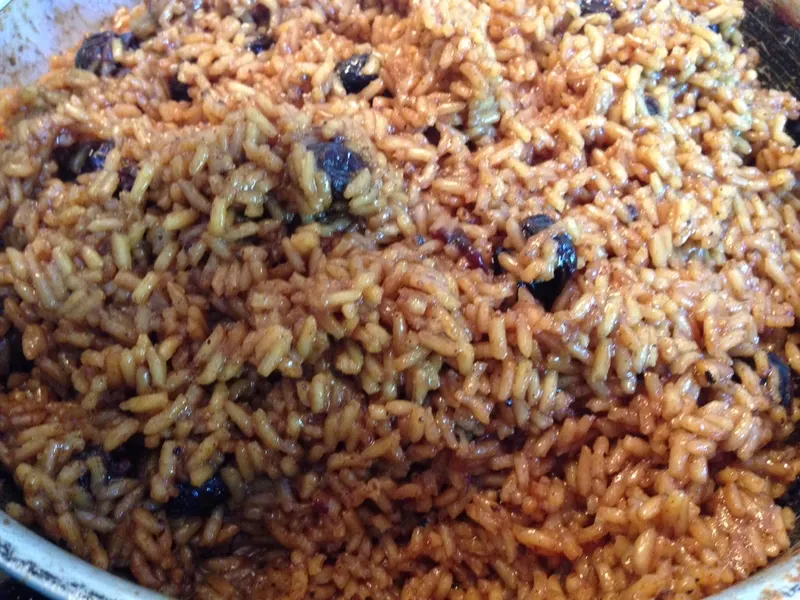
On Colombia's Caribbean coast — Cartagena, Santa Marta, Barranquilla, and the fishing villages around them — the cooking revolves around two ingredients that almost always go together: the day's fresh fish and coconut, present in the rice as well as in sauces and stews. It isn't a cuisine of complicated recipes: it's a cuisine of fresh product, cooked quickly and well seasoned.
Coconut rice, the foundation of a coastal table
Coconut rice is made by first cooking grated coconut pulp in its own milk until it releases its oil and browns (known on the coast as "titoté"), then cooking the rice in that coconut milk instead of plain water. The result is a rice with its own flavor, slightly sweet, which in its version with raisins and color turns almost caramelized on the outside. Along with patacón, it's the side that's rarely missing from a coastal table with fish.
Whole fried fish, the most common preparation
The most traditional way to eat fish on the coast is fried whole, with the skin crisp, after making diagonal cuts along the sides so it cooks evenly and absorbs the salt and lime better. It's fried in plenty of hot oil until the skin turns golden and crunchy while the flesh inside stays juicy. It's served whole on the plate, not filleted, and eaten with your hands, with rice and patacón on the side.
Fish stewed in coconut milk
Another very coastal preparation is fish cooked in pieces or steaks inside a stew of coconut milk, onion, tomato, garlic, and sometimes a touch of color, until the sauce thickens slightly and the fish soaks up that sweet, mild coconut flavor. It's a wetter preparation than fried fish, meant to be eaten with white rice that soaks up the sauce.
Fish sancocho, the soup version
The coast also has its own version of Colombian sancocho: fish sancocho, which cooks faster than the meat versions from the interior of the country and often carries that same touch of coconut milk that defines coastal cooking. It's a way of making the most of whole fish, or heads and tails, for a hearty broth.
The sides
How to choose good fresh fish
Where to eat it best
The beach stalls and fish markets of Cartagena, Santa Marta, and Taganga are the classic spots to try fish fried fresh out of the water, almost always served with coconut rice and patacón on the same plate, with little fuss. It's food meant to be eaten fresh and fast, not stored or reheated.
Seafood follows the same logic
The same principle behind fish and coconut repeats with shrimp and prawns in coastal cooking: they're cooked in a sauce of coconut milk, onion, tomato, and garlic, very similar to the stewed fish, and served the same way, with rice (white or coconut) and patacón. It's common to find several versions of this coconut sauce at the same beachside restaurant, changing only the protein — fish, shrimp, or a seafood mix — depending on what's freshest that day.
Why coconut, and not another fat
On the Caribbean coast, coconut plays a role similar to what milk or cream does in other cuisines: it smooths and binds sauces, while adding a natural sweetness that balances the salt of the fish and the sea. Before other cooking fats reached the region, coconut — abundant all along the coast — was a year-round source of oil and flavor, and that habit stuck even after other options became just as accessible.
Frequently asked questions
Why is Caribbean coast coconut rice sweet?
Because it's cooked in the milk released by grated coconut as it cooks in its own oil (the "titoté"), which gives it a slightly sweet, toasted flavor, different from plain white rice.
Which fish are most used on Colombia's Caribbean coast?
Mojarra, snook, tarpon, and red snapper are the most common, almost always fried whole with well-browned, crisp skin.
What's the difference between fried fish and fish in coconut milk?
Fried fish is cooked whole in oil until the skin browns; fish in coconut milk is cooked in pieces inside a wetter stew of coconut, onion, and tomato, meant to be eaten with rice that soaks up the sauce.
Does fish sancocho include coconut?
Often, yes, especially on the Caribbean coast, where a touch of coconut milk is added, setting it apart from the meat-based sancochos of the interior.
What is coastal fish always served with?
With patacón, a fresh tomato-and-onion salad, lime to squeeze on right before eating, and almost always coconut rice instead of plain white rice.
Keep cooking
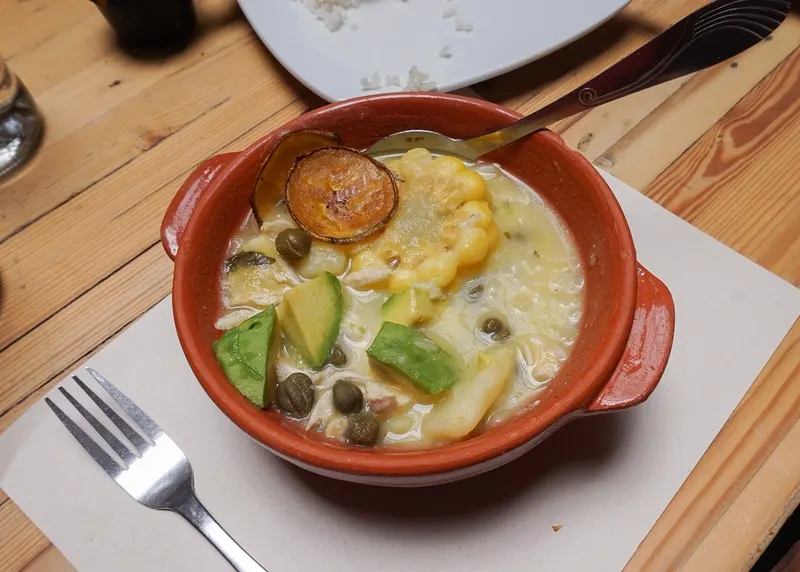 Traditional foodAjiaco Santafereño: Bogotá's Traditional RecipeHow authentic ajiaco santafereño is made — the three potatoes, the guasca herb, the chicken, and the side dishes — and why every ingredient matters.
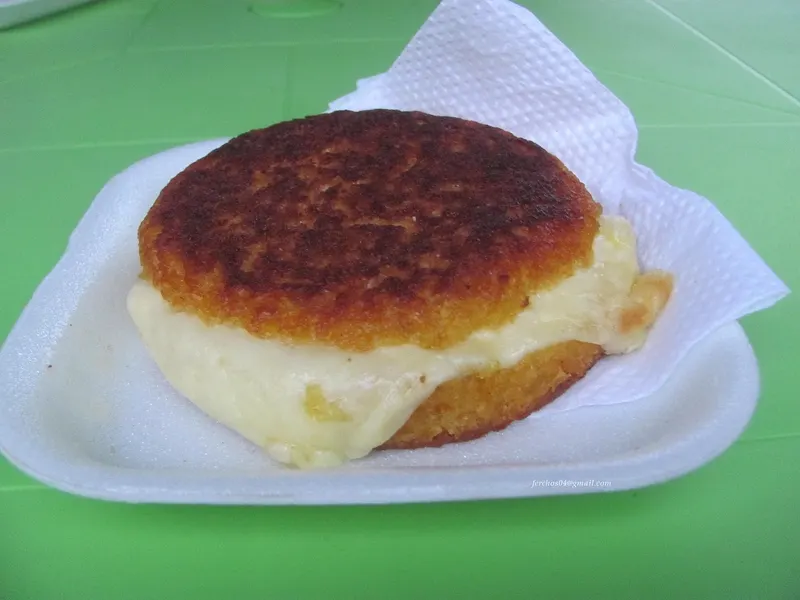 Traditional foodColombian Arepas: Types, Differences, and How to Make ThemA guide to the most common Colombian arepas — cheese, chócolo, boyacense, paisa — and how to make them at home without them cracking or sticking.
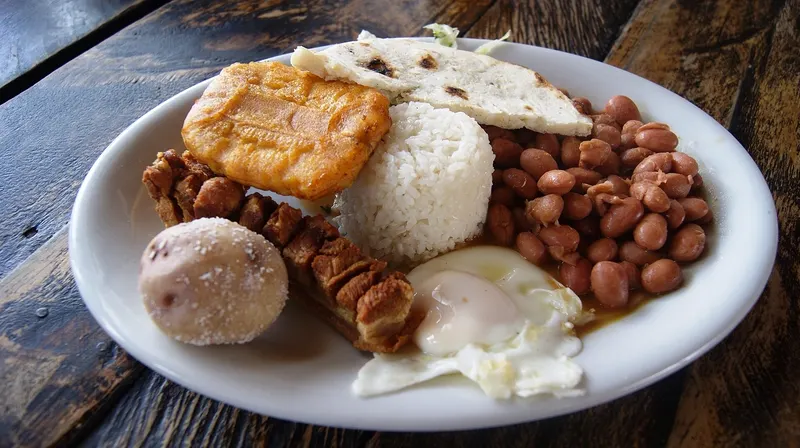 Traditional foodBandeja Paisa: The Complete Guide to Colombia's Most Famous PlateWhat goes into an authentic Colombian bandeja paisa, how each component is prepared, and the most common mistakes people make cooking it at home.