Traditional food
Mondongo: The Soup That Changes Name by Region
What Colombian mondongo is, how to properly clean beef tripe, how long it really takes to cook, and how its regional variants differ from each other.
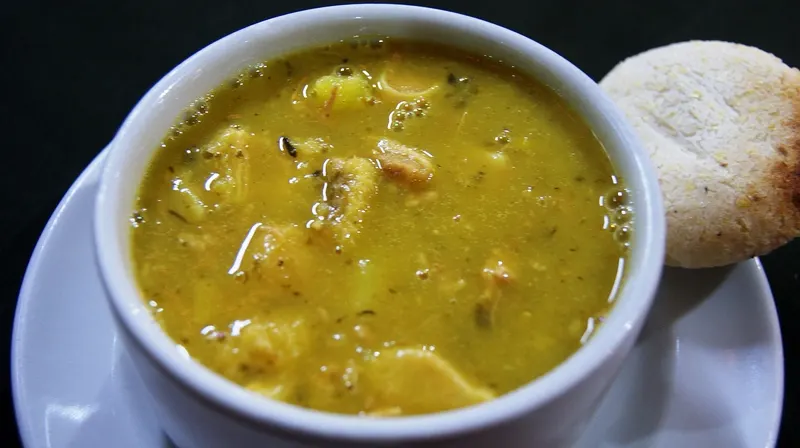
Mondongo is, in fact, the name of an ingredient before it's the name of a dish: beef tripe (the cow's stomach lining). That's why mondongo soup goes by the same name across nearly all of Colombia and much of Latin America, even though every region makes it differently — with different vegetables, thicker or thinner, with or without chickpeas. It's a hearty, long-cooked soup, meant as a main course rather than a starter.
What mondongo actually is
Mondongo is beef tripe (one of the cow's stomachs), a type of offal that needs careful cleaning and long cooking to turn tender and lose any strong smell or flavor. In Colombia it's usually sold already cleaned at most butcher shops and supermarkets, though it's still worth checking it over before cooking, since incomplete cleaning is the most common reason the soup ends up with a smell not everyone likes.
How to clean it before cooking
Even when it comes "ready" from the market, it's recommended to wash the tripe several times with water and lime or vinegar, and give it a short first boil (10–15 minutes) that gets discarded, before starting the actual cooking with the vegetables. That discarded first boil removes a good part of the impurities and the characteristic smell some people find strong.
How long it takes to cook
Tripe needs between 2 and 4 hours of cooking over medium-low heat to turn soft — much longer than any regular cut of meat, because its texture is dense cartilage and muscle. A pressure cooker cuts that time down to about 45–60 minutes, and it's the option many Colombian home cooks reach for precisely to avoid spending half the afternoon watching the pot.
The regional variants
- Antioquian mondongo: usually includes chickpeas, is thicker, and is served with rice, avocado, and sometimes slices of ripe plantain.
- Tolima-style mondongo: lighter on vegetables, with a thinner broth that lets the flavor of the tripe itself stand out more.
- Vallecaucano mondongo: made with potato and assorted vegetables, served hot, often as a Sunday family dish.
Unlike Colombian sancocho, which is built around root vegetables as its base with several possible proteins, mondongo always revolves around a single central ingredient — the tripe — and its cooking takes longer because it starts from a much tougher cut of meat to soften.
The sides
Mondongo is almost never served on its own: the most common combination is white rice on the side, sliced avocado, and, depending on the region, fried ripe plantain or patacón. The rice helps mellow the tripe's intense flavor and turns the dish into a complete meal, not just a soup.
Why it's a Sunday dish
Given how long it takes to prepare (cleaning, the first boil, the long cooking), mondongo tends to be reserved for weekend family lunches rather than weekday meals. Along with sancocho, it's one of the dishes made in large batches to share as a family, not in quick individual portions.
It freezes well
Unlike other potato-based soups (which turn watery or change texture when thawed), mondongo freezes well because its base is the tripe and the broth, not a root vegetable that breaks down in the cold. The most practical approach is to store it in individual portions once cooled, and reheat it directly from frozen over low heat, adding a bit of water or broth if it turned too thick while resting. Many families take advantage of exactly this: they make a big pot on Sunday and spread it across several meals over the following week without losing texture or flavor.
Frequently asked questions
What part of the cow is mondongo?
It's the tripe (one of the cow's stomachs), a type of offal also known as callo or tripe in other countries. It isn't a regular cut of meat, but a different kind of muscle that needs long cooking.
How long does mondongo need to cook to turn soft?
Between 2 and 4 hours in a regular pot over medium-low heat, or between 45 and 60 minutes in a pressure cooker. That's much longer than any conventional cut of meat.
Why is it recommended to discard the first boil?
Because it helps remove impurities and much of the tripe's characteristic smell before cooking it with the vegetables for the final broth. Skipping this step is the most common cause of a strong-smelling mondongo.
Does Colombian mondongo include chickpeas?
It depends on the region: the Antioquian variant usually includes them, while other regional versions, like the Tolima-style one, skip them and lean more on fresh vegetables.
What is mondongo traditionally served with?
With white rice, sliced avocado, and, in several regions, fried ripe plantain or patacón — a side similar, in spirit, to the one that comes with other hearty Colombian soups like sancocho.
Keep cooking
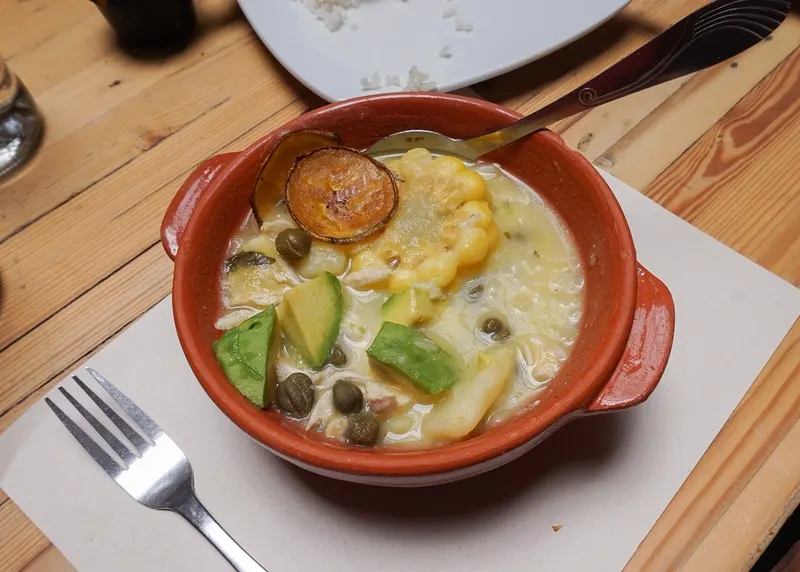 Traditional foodAjiaco Santafereño: Bogotá's Traditional RecipeHow authentic ajiaco santafereño is made — the three potatoes, the guasca herb, the chicken, and the side dishes — and why every ingredient matters.
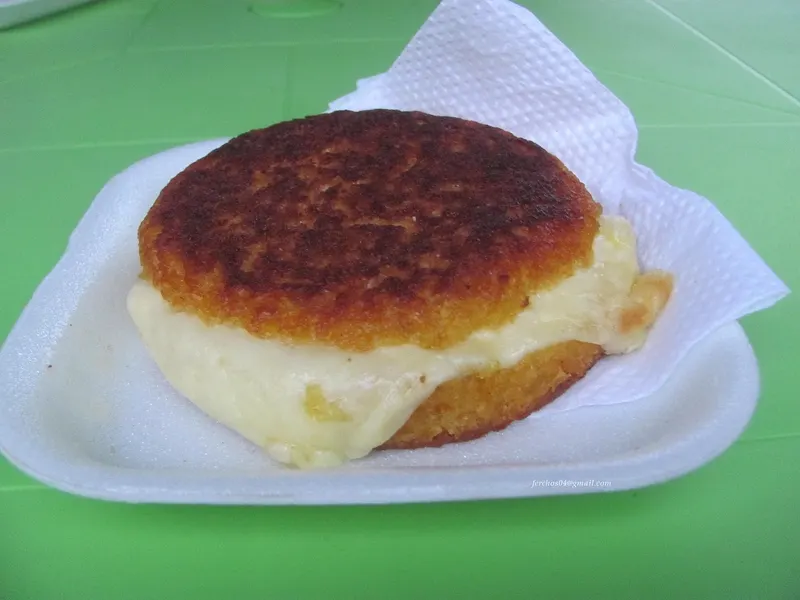 Traditional foodColombian Arepas: Types, Differences, and How to Make ThemA guide to the most common Colombian arepas — cheese, chócolo, boyacense, paisa — and how to make them at home without them cracking or sticking.
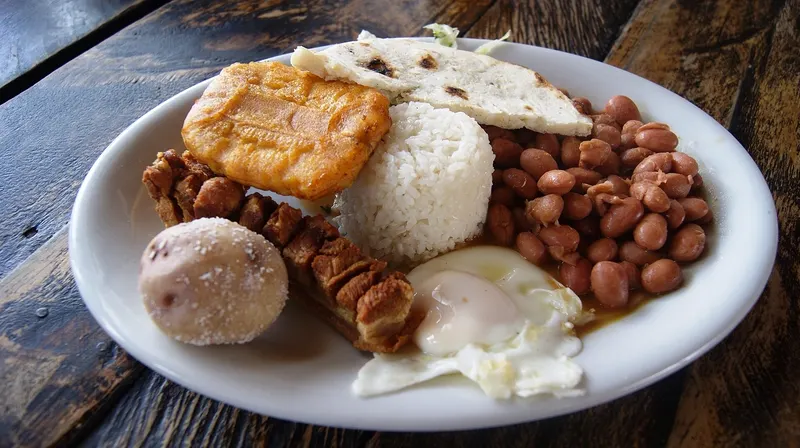 Traditional foodBandeja Paisa: The Complete Guide to Colombia's Most Famous PlateWhat goes into an authentic Colombian bandeja paisa, how each component is prepared, and the most common mistakes people make cooking it at home.