Traditional food
Colombian Empanadas: The Complete Guide
Why Colombian empanadas are made with corn, not wheat, how they're filled, how to fry them without splitting open, and the most common regional variants.
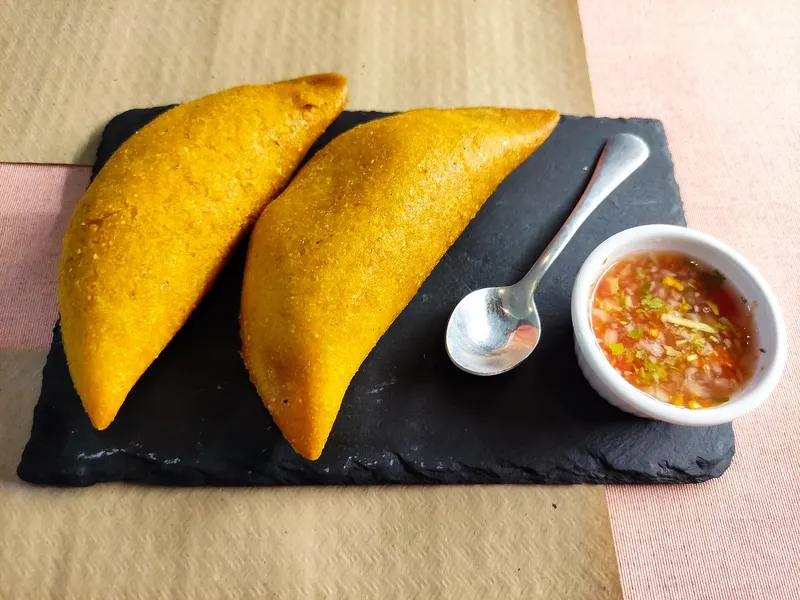
The Colombian empanada isn't as similar to the Argentine or Venezuelan versions as it first appears: the dough is made from precooked yellow corn (not wheat), it's almost always deep-fried in very hot oil, and the traditional filling is beef stew with potato, not cheese or chicken, even though countless variations exist today. Along with the arepa, it's one of the most common corn-based Colombian fried foods, found equally on the street and at the table.
The dough: why corn and not wheat
Unlike the Argentine or Chilean empanada, made with wheat dough, the Colombian version is made from precooked yellow corn flour (the same type used for some arepas), kneaded with warm water, salt, and sometimes a bit of cooked, mashed potato, which helps the dough stay workable and not crack when the disc is shaped. The intense yellow color so characteristic of the Colombian empanada comes precisely from that corn, not from an added dye.
The traditional filling
The classic filling combines beef (stewed first, then shredded or very finely chopped) with small diced cooked potato, a sofrito of onion, tomato, garlic, and color, and cumin as the main spice. The proportion of potato tends to be generous — almost as much as the meat — because it helps the filling go further and keeps it from drying out inside. Rice, though less traditional, also shows up in some home recipes as a filler alongside the meat.
How it's assembled and sealed
A thin dough disc is shaped (by hand, or with a plastic sheet and a homemade press), a spoonful of filling goes in the center, it's folded in half into a half-moon, and the edges are pressed firmly shut with fingers or a fork. That sealing step is the one people rush through most, and it's exactly the one that keeps the empanada from bursting open while frying.
How they're fried
They're fried in plenty of hot oil, fully submerged, until evenly golden on both sides — about 3 to 5 minutes depending on size. You shouldn't fry too few at a time or with too little oil, because dropping the oil's temperature too much is another common reason the dough ends up greasy instead of crisp.
The regional variations
The base recipe repeats across nearly the whole country, but each region puts its own stamp on it:
- Valluna empanadas (Valle del Cauca): shredded beef and potato filling, softer, with a slightly thicker dough.
- Santandereana empanadas: sometimes include rice in the filling alongside the meat.
- Cundiboyacense empanadas: often served with hogao sauce on top, in addition to the ají on the side.
- Chicken empanadas: a modern variation, very common in bakeries and street stalls, that swaps the beef for shredded chicken.
The ají, the required side
No Colombian empanada is complete without its ají: a fresh sauce of cilantro, very finely chopped scallion, tomato, lime, and hot pepper (or vinegar with chili powder, depending on the region), served separately in a small bowl so everyone adds as much as they like. The ají isn't cooked — it's made fresh, just before serving, so the cilantro and onion keep their crunch.
When and how they're eaten
Colombian empanadas are eaten at any hour: as appetizers at a gathering, as a quick breakfast alongside a tinto, or as mid-afternoon street food, bought by the piece from street carts or bakeries. Unlike in other countries, they're not a main course served at the table — they're street food, meant to be eaten standing up, with your hands, fresh out of the oil.
Frequently asked questions
Is the Colombian empanada made with corn or wheat dough?
With precooked yellow corn, not wheat. That's the main difference from the Argentine or Chilean empanada, which use wheat flour dough.
Why do my empanadas split open while frying?
Almost always because of a loosely sealed edge or because the oil wasn't hot enough yet when they went in. Sealing firmly with your fingers and waiting for the oil to heat up solves most cases.
What goes into the ají served with empanadas?
Cilantro, finely chopped scallion, tomato, lime, and hot pepper or vinegar with chili, all fresh and uncooked. It's served on the side so each person adds it to taste.
Can Colombian empanadas be baked instead of fried?
They can, but the result changes quite a bit — they lose the crisp edge frying gives them, and the corn dough turns drier. The traditional and most common version in Colombia is always fried.
What is the most traditional filling for a Colombian empanada?
Stewed, shredded beef with diced potato, sofrito, and cumin. Chicken and other variants are popular today, but the classic recipe is beef.
Keep cooking
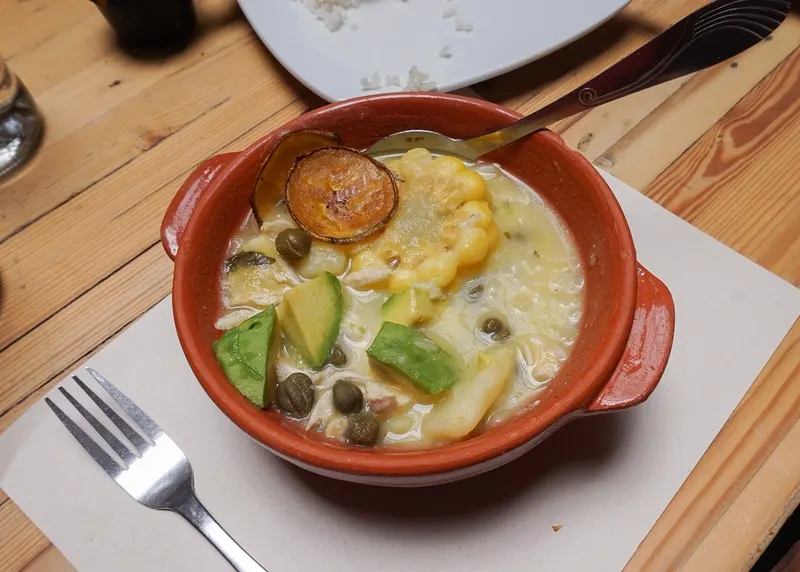 Traditional foodAjiaco Santafereño: Bogotá's Traditional RecipeHow authentic ajiaco santafereño is made — the three potatoes, the guasca herb, the chicken, and the side dishes — and why every ingredient matters.
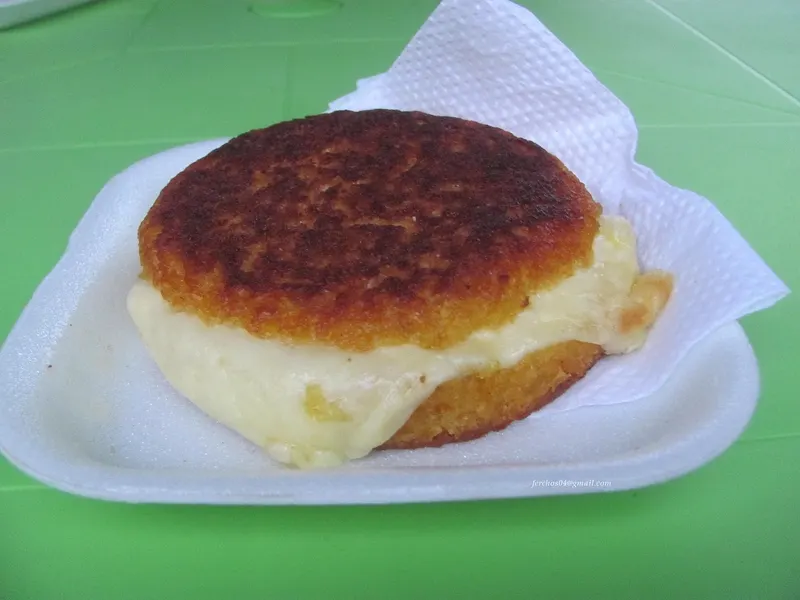 Traditional foodColombian Arepas: Types, Differences, and How to Make ThemA guide to the most common Colombian arepas — cheese, chócolo, boyacense, paisa — and how to make them at home without them cracking or sticking.
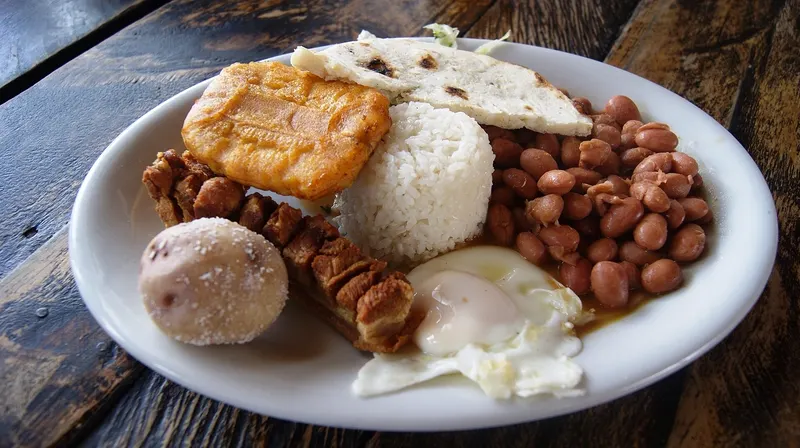 Traditional foodBandeja Paisa: The Complete Guide to Colombia's Most Famous PlateWhat goes into an authentic Colombian bandeja paisa, how each component is prepared, and the most common mistakes people make cooking it at home.